Serg
Serg
Gallery
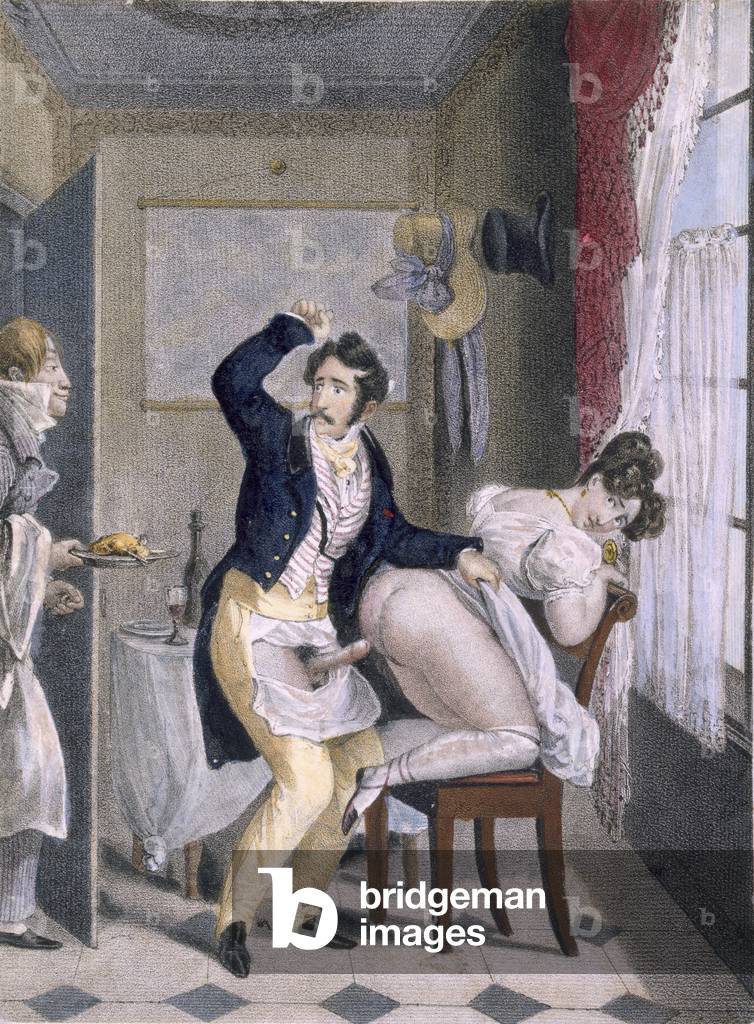



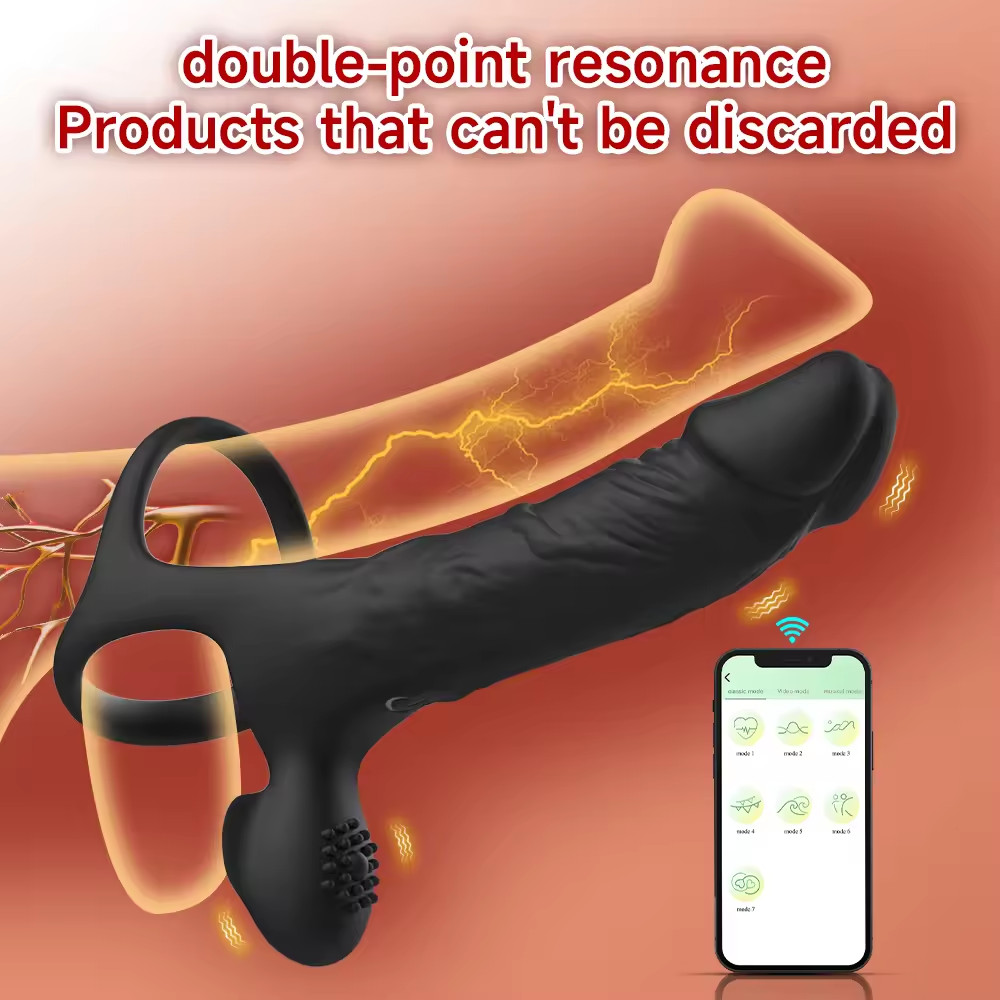

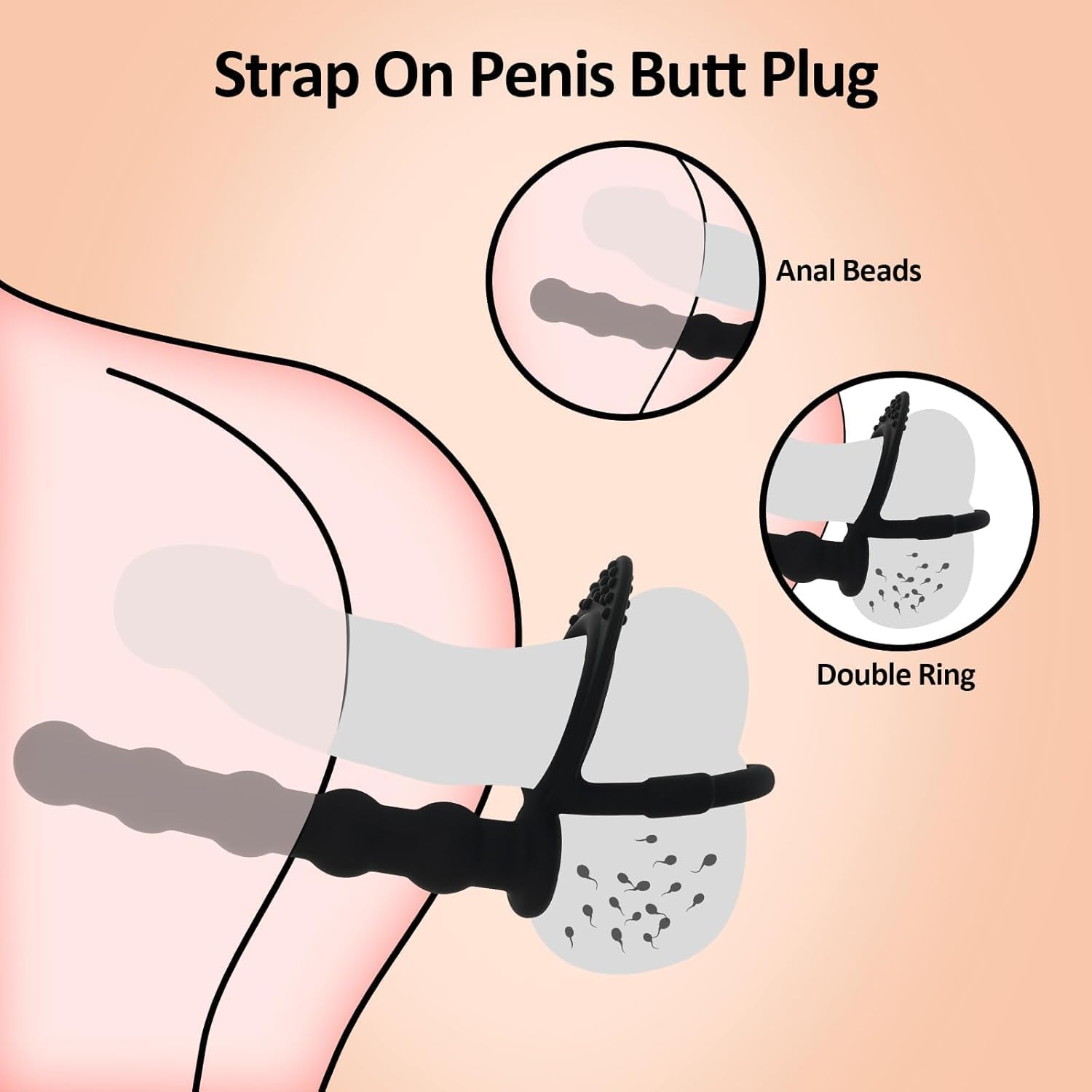
Anal sex or anal intercourse principally means the insertion and of the into a person’s , or anus and , for sexual pleasure. Other forms of anal sex include , the use of , , and . Although most commonly means penile–anal penetration, sources sometimes use to exclusively denote penile–anal penetration, and to denote any form of anal , especially between pairings as opposed to .
The anal sphincters are usually tighter than the of the vagina, which can enhance the sexual pleasure for the inserting male during male-to-female anal intercourse because of the pressure applied to the penis. Men may also enjoy the penetrative role during anal sex because of its association with dominance, because it is made more alluring by a female partner or society in general insisting that it is forbidden, or because it presents an additional option for penetration.
In a 2010 clinical review article of heterosexual anal sex, is used to specifically denote penile-anal penetration, and is used to denote any form of anal sexual activity. The review suggests that anal sex is exotic among the sexual practices of some heterosexuals and that “for a certain number of heterosexuals, anal intercourse is pleasurable, exciting, and perhaps considered more intimate than vaginal sex”.
There is less research on anal sexual activity among compared to couples of other sexual orientations. In 1987, a non-scientific study (Munson) was conducted of more than 100 members of a lesbian social organization in Colorado. When asked what techniques they used in their last ten sexual encounters, lesbians in their 30s were twice as likely as other age groups to engage in anal stimulation (with a finger or dildo). A 2014 study of partnered lesbian women in Canada and the U.S. found that 7% engaged in anal stimulation or penetration at least once a week; about 10% did so monthly and 70% did not at all. Anilingus is also less often practiced among female same-sex couples.
Anal sex can expose its participants to two principal dangers which are infections due to the high number of infectious not found elsewhere on the body, and physical damage to the anus and rectum due to their fragility. Unprotected penile-anal penetration, colloquially known as , carries a higher risk of passing on (STIs) because the anal sphincter is a delicate, easily torn tissue that can provide an entry for . Use of , ample lubrication to reduce the risk of tearing, and practices in general, reduce the risk of STIs. A condom can break or otherwise come off during anal sex, and this is more likely to happen with anal sex than with other sex acts because of the tightness of the anal sphincters during friction.